Beyond the thundering winter swell of Praia do Norte lies an ancient maritime soul shaped by brave fishermen, wooden dories, and centuries of Atlantic ritual.
The Morning Call of the Silver Coast
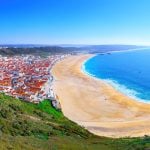
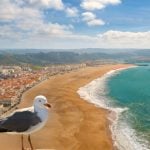
Long before giant surfboards and international daredevils captured the imagination of modern travelers, Nazare lived by a rhythm dictated solely by the sea. The town hugs an expansive crescent beach on Portugal’s Silver Coast, sheltered from southern gales by a towering limestone headland called the Sitio. Here, the North Atlantic rolls ashore with fierce majesty, filling the morning air with a bracing spray that smells of clean sea kelp and mineral grit.
Arriving in Nazare in the quiet morning hours reveals a community that has guarded its maritime soul for generations. Stepping out of a quiet Mercedes-Benz touring vehicle along the Avenida da Republica, visitors are immediately greeted by the sight of colorful fishing dories perched high above the tideline. These wooden boats, painted with bright talismans and sweeping curved prows, tell stories of families who launched into turbulent breakers before modern harbors and satellite forecasts existed.
Seven Skirts and the Secrets of the Sand
Walking the wide sands of the main beach brings you face to face with one of Portugal’s most distinctive living folk cultures: the traditional women of Nazare. Historically, while their husbands and sons spent long days battling the treacherous waters of the Atlantic, the women remained onshore to manage the business of the sea. They unloaded the catch, salted the fish, and kept vigil along the shore, braving cold coastal winds in striking outfits that endure to this day.
Even now, older local women walk proudly through the narrow alleys wearing seven layered, knee-length woolen petticoats beneath an embroidered apron. Local tradition holds that the seven skirts represent the days of the week, the crests of ocean waves, or the colors of the rainbow. Practically speaking, layering skirts of thick flannel provided warmth against the biting damp air while allowing agility in the wet sand. Seeing these women, with their dark knitted shawls pinned neatly and carved wooden clogs clicking softly against the cobblestones, roots the traveler instantly in deep Portuguese history.
Silver Scales and Ocean Smoke on the Dryers
A short stroll along the beach leads to the estendais, the open-air wooden drying racks where carapau (horse mackerel) and sardinhas dry slowly under the coastal sun. This preservation technique, born of necessity when refrigeration did not exist, remains an essential regional delicacy known as peixe seco. Local fishmongers clean and salt the tiny fish before pinning them systematically onto geometric wire mesh frames facing the Atlantic breeze.
The scent here is distinct and nostalgic, drawing locals who buy dried octopus and small mackerel to grill gently over charcoal or simmer into hearty stews. Exploring these authentic corners offers a glimpse into an unhurried culinary heritage that most hurried visitors miss entirely. A local driver guide from Portugal Magik can shape the day around your personal interests, pausing by the racks to chat with the women tending the catch and translating their colorful stories of past voyages.
Browse our travel inspiration for ideas, or tell us what kind of day you have in mind.
Up to the Sitio and the Legend of Dom Fuas Roupinho
Rising more than three hundred feet above the beach stands the Sitio, the ancient clifftop neighborhood that overlooks the entire bay. While an antique funicular climbs the sheer rock face, driving up the winding cliff road provides sweeping panoramas of red-tiled roofs nestled between golden sand and pine forests. At the center of the clifftop square stands the Sanctuary of Our Lady of Nazare, flanked by white cobblestones and sweeping viewpoints.
Here lies the tiny Memorial Chapel, perched dramatically on the cliff edge. According to twelfth-century legend, the nobleman Dom Fuas Roupinho was hunting a stag through dense sea fog when the animal leaped off the cliff into the abyss. Roupinho cried out to Our Lady of Nazare, and his horse miraculously halted at the very edge of the precipice, leaving a hoofprint permanently embedded in the limestone rock. For centuries, ocean-going sailors and their families climbed this hill to pray for safe passage across the dangerous deep.
The Canyon Roar of Praia do Norte
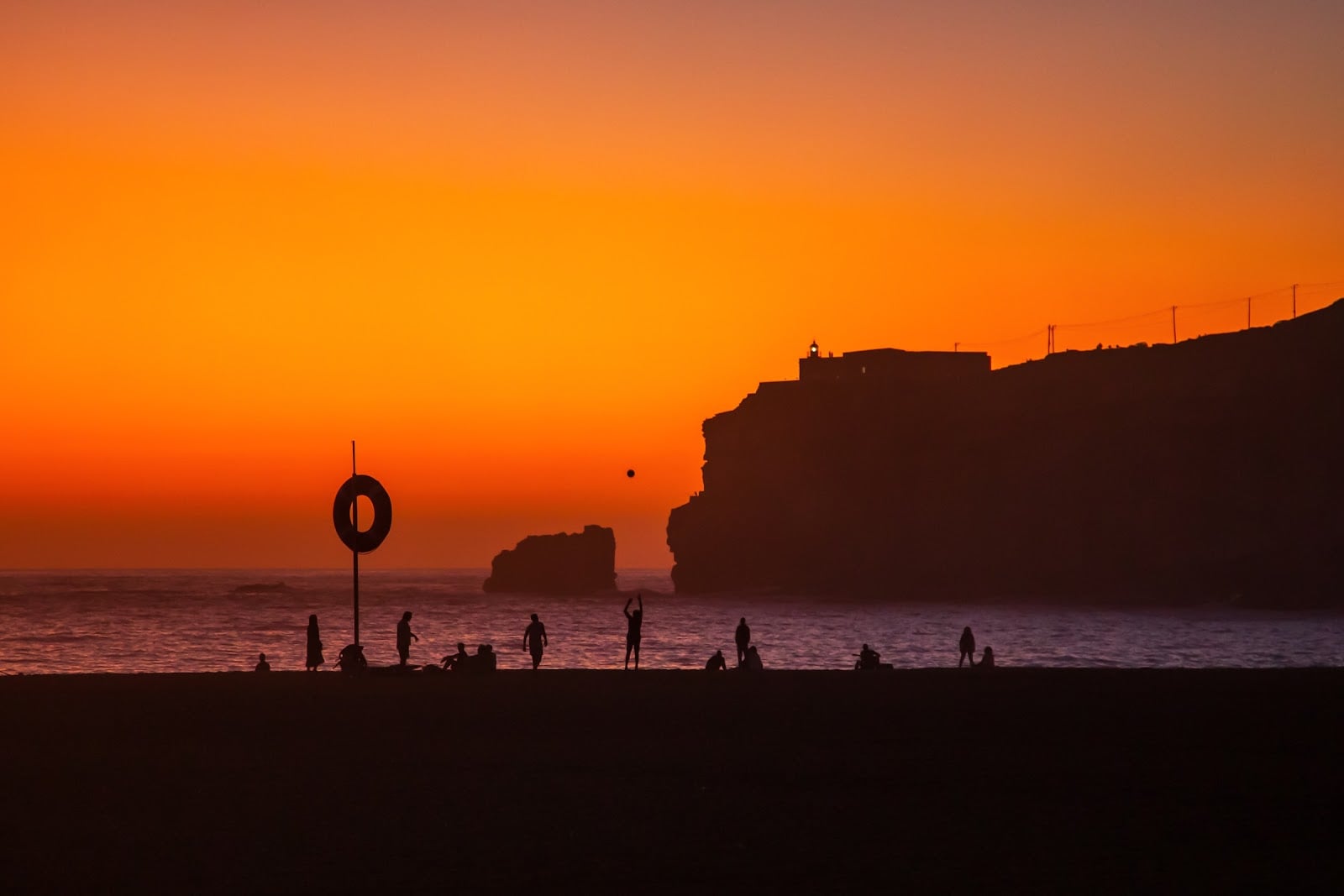
Beyond the historic chapel and through the stone gate of the seventeenth-century Fort of Sao Miguel Arcanjo, the atmosphere shifts dramatically. Here, looking north toward Praia do Norte, the raw geological power of Nazare becomes undeniable. Below the surface of the water lies the Nazare Canyon, an underwater geological chasm plunging sixteen thousand feet into the ocean floor, terminating just offshore.
When Atlantic winter storms push swells toward the coast, this immense submarine gorge acts like a funnel, forcing the water upward into colossal, record-breaking walls of water. While the monstrous waves are most dramatic during big swell events between October and March, Praia do Norte maintains an untamed, primeval energy year-round. Standing by the red lighthouse perched on the fort roof, one feels humbled by the sheer scale of the Atlantic crashing against the jagged cliffs.
The Catch at the Table: A Caldeirada Feast
No exploration of Nazare is complete without sitting down to a meal shaped entirely by the morning tide. In the quiet taverns tucked away in the Bairro dos Pescadores, lunch is an unhurried, fragrant affair. The crowning glory of the Nazare kitchen is caldeirada, a rich, layered fisherman stew prepared with whatever fresh fish arrived on the docks at dawn, typically dogfish, conger eel, sea bass, and squid, layered with sliced potatoes, onions, tomatoes, and generous splashes of local white wine.
Paired with crusty bread to soak up the rich, savory broth, this rustic meal reflects the endurance and generosity of Portugal’s fishing communities. Having a dedicated private driver means you can linger over a glass of crisp Bairrada wine without glancing at your watch or worrying about parking along the steep hillside. As afternoon light softens into amber across the bay, Nazare reveals itself not merely as a dramatic wave capital, but as a living museum of Portuguese maritime courage.
Plan your own day
Share your dates, group size and interests, and we will suggest a tailored plan with a local driver/guide.