
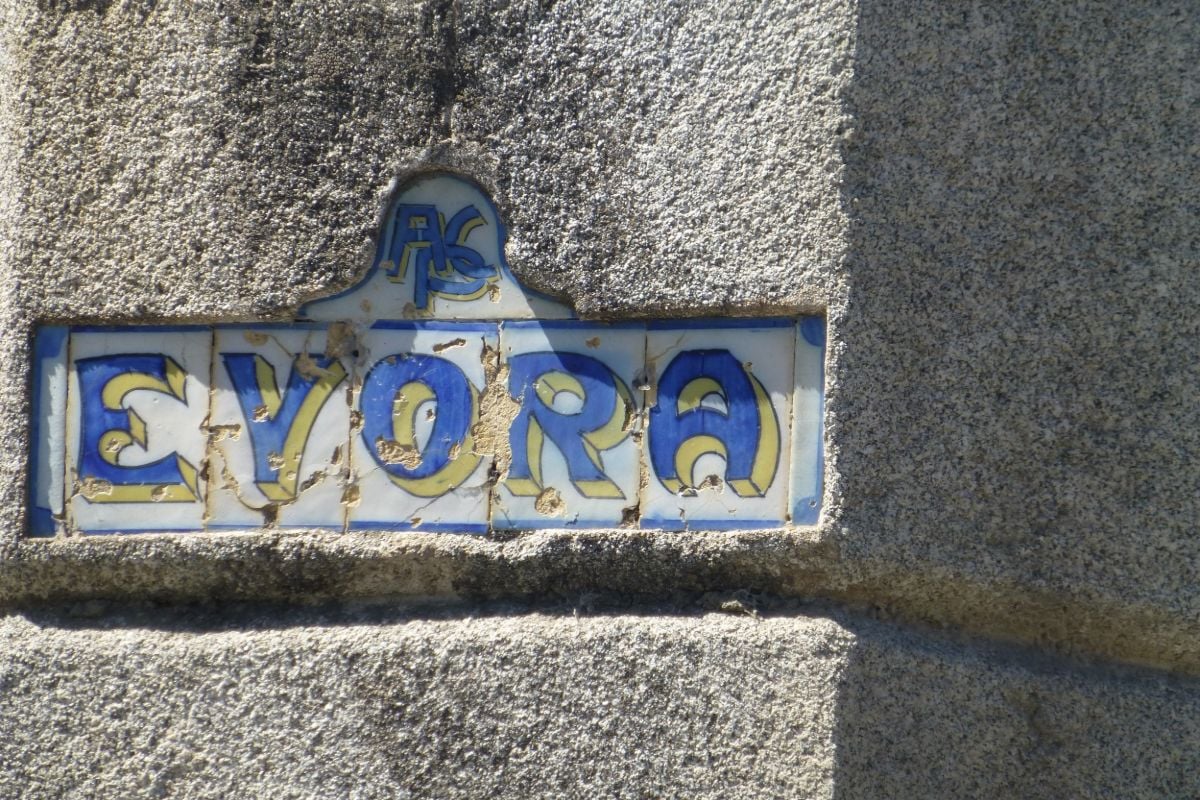
Evora, recognized as a UNESCO World Heritage city, preserves the layout of its former Jewish quarter even though no synagogue building survives. This article explains how the history is documented today.
A UNESCO City With Layered History
Evora, recognized by UNESCO as a World Heritage city, preserves an exceptionally well maintained historic center that reflects centuries of development, including the period when the city held an active Jewish community.
The city's broader historical significance, rooted in its Roman, medieval, and later architecture, provides important context for understanding how its Jewish quarter fit within the wider urban fabric of the period.
This recognition has helped protect much of Evora's historic street pattern, including areas associated with the former Jewish quarter, even as the specific religious buildings from that era did not survive.
The Former Jewish Quarter
Evora's former Jewish quarter occupied a defined area of the historic city, documented through municipal and royal records that describe the community's presence and its role within the city's economic and social life before the late fifteenth century.
As in other Portuguese cities, the quarter was shaped by regulations governing where Jewish residents could live, reflecting broader patterns seen across the country's medieval Jewish communities.
Today, visitors can walk through the streets associated with this quarter, which retain much of their historic layout even though the specific use of individual buildings during the medieval period is not always separately documented.
No Surviving Synagogue in Evora
Unlike Tomar or Castelo de Vide, Evora does not have a surviving synagogue building that can be identified and visited today, a gap that reflects the loss of such structures over centuries of later use and redevelopment.
This absence means that understanding Evora's Jewish history relies more heavily on documentary sources and the preserved street pattern than on a single standing religious building.
Visitors should approach Evora's Jewish heritage with this context in mind, recognizing that the experience centers on historical interpretation of the quarter rather than a specific synagogue structure.
Jewish Life in Evora Before 1497
Before the forced conversions of 1497, Evora's Jewish community was active within the city's trade and craft sectors, contributing to the broader economic life of what was already an important regional center.
The community's fortunes followed the same national pattern as elsewhere in Portugal, affected directly by the 1496 expulsion decree issued by King Manuel I, which led to the end of open Jewish religious practice across the country.
Following forced conversion, some families in Evora, as elsewhere, likely continued elements of Jewish practice privately, though the specific evidence for this in Evora requires careful historical sourcing rather than assumption.
Experiencing Evora's History Today
A visit to Evora's former Jewish quarter benefits from combining a walk through its historic streets with broader context about the city's medieval Jewish community, since physical markers specific to that history are limited.
Evora's wider historic center, including its Roman temple and medieval cathedral, offers additional context for understanding the city's long development across different periods and communities.
Because the former Jewish quarter does not have a standalone museum or preserved synagogue, informed guidance can be particularly useful for visitors wanting a clear picture of this specific aspect of the city's history.
Evora in a Broader Heritage Route
Iberian Heritage Journeys includes Evora within its private multi-day Jewish heritage travel itineraries across Portugal and Spain, with private heritage driver-guides offering historical context for the former quarter and the wider city.
Evora's central location in the Alentejo region makes it a convenient stop within the 6-day highlights itinerary or the 10-day complete immersion itinerary, often paired with Castelo de Vide given their shared regional history.
These itineraries do not include genealogy research or citizenship and legal services, remaining focused on historical and cultural travel through documented sites.
Visitors planning a trip benefit from understanding this background in advance, since it adds depth to the experience of standing in these historic places and helps connect what is seen on site to the longer arc of Portugal's Jewish history across different regions and centuries.
Visitors planning a trip benefit from understanding this background in advance, since it adds depth to the experience of standing in these historic places and helps connect what is seen on site to the longer arc of Portugal's Jewish history across different regions and centuries.
Visitors planning a trip benefit from understanding this background in advance, since it adds depth to the experience of standing in these historic places and helps connect what is seen on site to the longer arc of Portugal's Jewish history across different regions and centuries.
Plan your Jewish heritage journey
Share your dates, interests and group size and we will suggest a tailored private itinerary with a local driver/guide, including heritage-focused visits. Access arrangements are confirmed before booking.