
Spend a captivating day tracing Porto from the quiet alleys of Miragaia to the bustling quayside of the Ribeira, discovering historic taverns and dramatic river vistas along the way.
Morning Sunlight over the Clérigos and Vitória
Porto awakens under a golden northern light that catches the weathered granite facades of the upper town. Beginning high above the river near the iconic Torre dos Clérigos, the morning air carries the aroma of freshly ground coffee and warm pastries from traditional bakeries. Walking east along Rua das Carmelitas toward the historic Vitória quarter, the city reveals its multilayered past. Here, narrow residential alleys preserve the memory of the ancient Jewish quarter, where wrought iron balconies overflow with potted geraniums and laundry dries gently in the Atlantic breeze.
A short walk leads to the Miradouro da Vitória, an unassuming gravel terrace tucked behind church ruins that offers one of the most striking panoramas in the north. Below, terracotta rooftops tumble toward the Douro River, flanked by the massive twin towers of the Sé Cathedral. Standing here, you quickly realize how Porto is a city of vertical drama, built upon steep granite bluffs that have protected trade routes since Roman times. Having a knowledgeable local driver and guide meeting you in a comfortable Mercedes-Benz vehicle allows you to navigate these severe elevation changes effortlessly, shaping the morning around your preferred pace without tiring steep uphill climbs.
The Quiet Charm of Miragaia and Old Merchant Alleys
Descending westward away from the busier commercial streets brings you into Miragaia, a former maritime suburb that was once home to Jewish and Armenian merchants, boatbuilders, and fishermen. Unlike the grand avenues of downtown, Miragaia feels intimate and grounded. The houses here are tall and remarkably narrow, painted in pastel yellows, deep ochres, and muted azulejo blues, perched upon ancient stone arches that once allowed floodwaters to pass safely beneath living quarters.
Wandering along the cobblestones of Rua de Miragaia, you find small community fountains and neighborhood workshops where craftsmen still repair wooden window frames by hand. The parish church of São Pedro de Miragaia features an interior lined with elaborate eighteenth century blue and white ceramic panels depicting maritime miracles. As you stroll through these shaded passages, the sounds of modern traffic fade into the background, replaced by the clatter of porcelain cups from local corner tascas and the rhythmic greeting of neighbors.
Midday Flavors Along the Quayside
By midday, the gentle current of the Douro draws you down to the riverfront. The Ribeira quayside is Porto at its most theatrical, where medieval arcades open directly onto the stone promenade. Wooden rabelo boats, with their flat bottoms and distinctive canvas sails that once transported barrels of fortified wine from the distant valley vineyards, rock gently in the water along the stone moorings.
Lunch in this part of town is an honest celebration of the sea and the hearty inland traditions of the Trás-os-Montes region. In a traditional riverside eatery under the medieval arches, savor grilled sea bass seasoned simply with sea salt and olive oil, or indulge in the legendary local dish, Tripas à Moda do Porto, a rich, slow-simmered stew of white beans, tender meats, and smoked chouriço that earned the city residents their proud nickname of tripeiros. Pair the meal with a chilled glass of crisp Vinho Verde from the nearby Minho region, its bright acidity cutting through the richness of the fare.
Browse our travel inspiration for ideas, or tell us what kind of day you have in mind.
Crossing to the Cellars of Vila Nova de Gaia
After lunch, a leisurely walk across the lower deck of the double-tiered Dom Luís I Bridge takes you over the wide river to Vila Nova de Gaia. Completed in 1886 by Teófilo Seyrig, an engineering partner of Gustave Eiffel, the towering wrought-iron structure is an architectural marvel that defines the city silhouette. The cool breeze rising from the Douro carries the faint scent of aged oak casks and sweet grape must across the water.
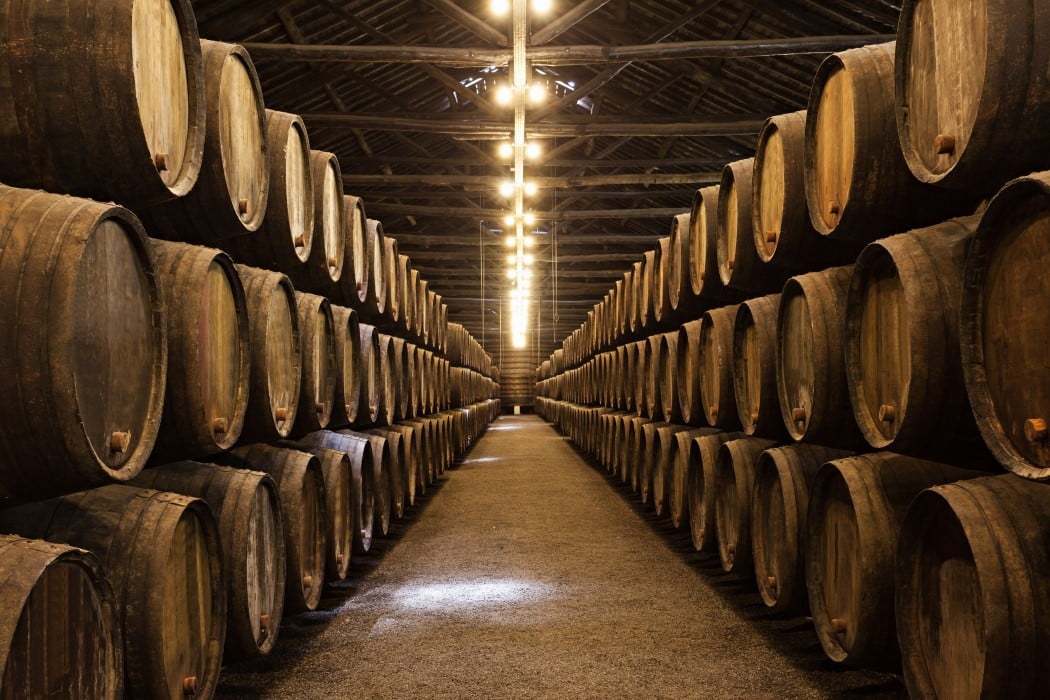
Along the Gaia riverbank, historic lodge warehouses with high white gables and terracotta roofs house centuries of winemaking heritage. Visiting one of the established family cellars, such as Graham or Cockburn, offers a quiet retreat from the sun. Stepping inside the thick stone walls, where temperatures remain steady year-round, you learn how raw spirits blended with mountain-grown grapes transform over decades into velvety tawnies and powerful vintage ports. A guided tasting of aged ports highlights deep notes of dried figs, walnuts, and caramelized orange peel, offering an evocative sensory lesson in northern Portugal history.
Golden Hour in Foz do Douro and Matosinhos
As the afternoon lengthens, the best way to conclude a day in Porto is by following the river out to the Atlantic. Your driver can take the scenic river road past the Arrábida Bridge toward Foz do Douro, where the sweet waters of the river finally mingle with the open ocean. Here, the landscape opens dramatically into wide beaches, rocky headlands, and granite promenades shaded by palm trees.
Take a peaceful late afternoon walk out onto the Felgueiras Lighthouse pier, where Atlantic rollers crash rhythmically against stone barriers. For dinner, head just north to the fishing harbor of Matosinhos, famous throughout the country for its outdoor charcoal grills. Along Rua Heróis de França, restaurant staff grill fresh sardines and whole sea bream directly on the sidewalk, filling the evening air with savory smoke. Sitting outside with a glass of crisp Douro white wine as the sun dips below the horizon provides the perfect ending to an unforgettable day tracing the soul of northern Portugal.
Plan your own day
Share your dates, group size and interests, and we will suggest a tailored plan with a local driver/guide.