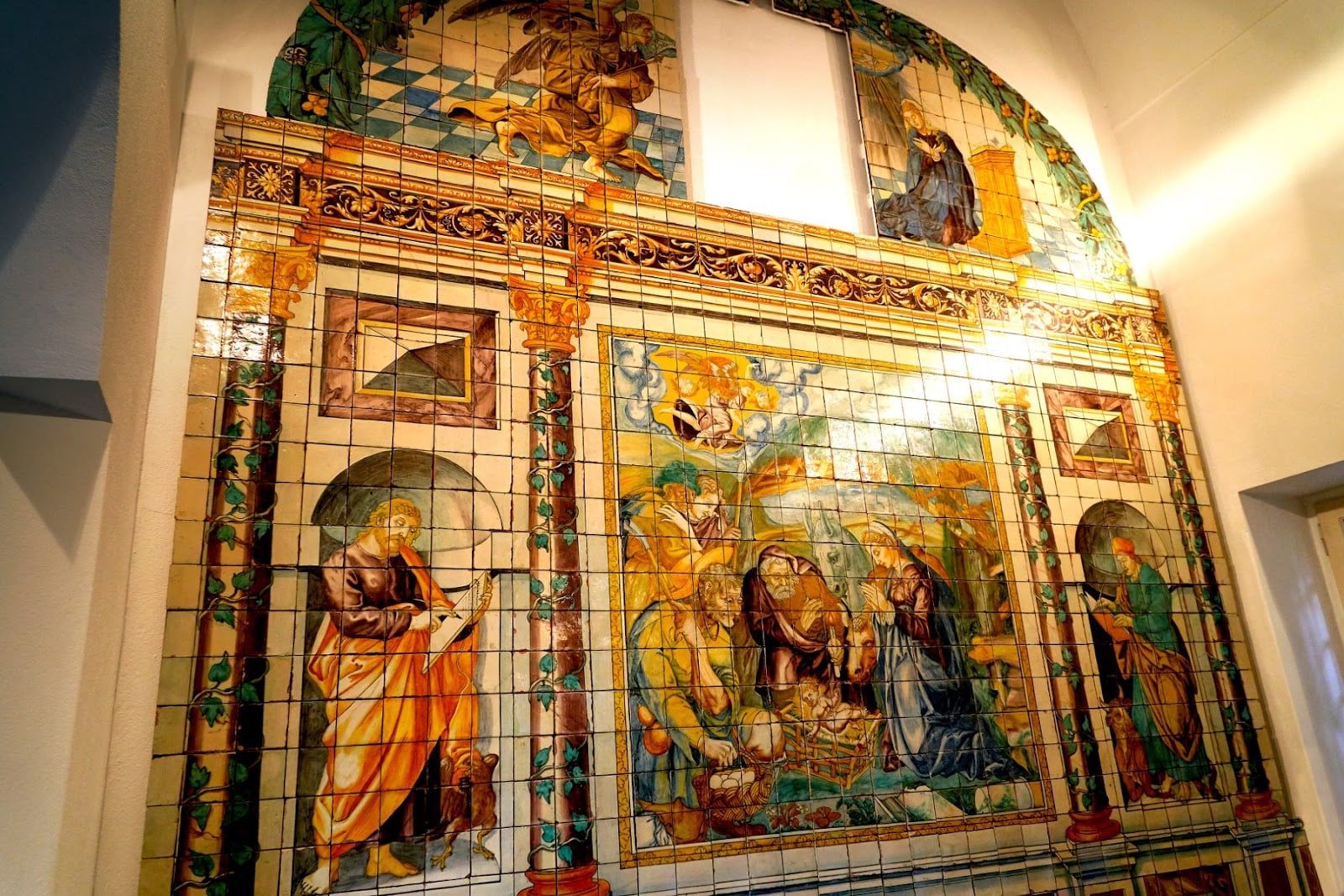
Discover Portugal's azulejo tradition through a private, hands-on tile painting experience with a local workshop, thoughtfully arranged by Portugal Magik as part of your journey.
A Private Azulejo Tile Painting Experience in Portugal
Some of Portugal's most memorable stories are painted on ceramic. Across church interiors, railway stations, palace courtyards, and neighborhood facades, azulejos bring color and narrative to everyday life. A private tile painting experience offers a more personal introduction to this tradition: time at a worktable, guidance from a local artisan, and the pleasure of creating something with your own hands. It is an unhurried encounter with a craft that continues to shape Portugal's visual identity.
At Portugal Magik, we arrange hands-on sessions with a local workshop, selecting the setting around your itinerary, interests, and the workshop's availability. Whether you are traveling as a couple, gathering several generations, or looking for a creative interlude between cultural outings, the experience can become a meaningful part of your stay. The intention is simple: to understand the tiles you have been admiring, then make one that carries your own memory of Portugal.
The Story Behind Portugal's Painted Tiles
The word azulejo derives from an Arabic term associated with polished stone, rather than from the Portuguese word for blue. Decorative tile traditions reached the Iberian Peninsula through Islamic craftsmanship, and imported tiles became increasingly prominent in Portugal around the turn of the sixteenth century. Early examples often featured intricate geometric patterns. Over time, Portuguese patrons and makers developed an expansive tile culture that embraced religious scenes, historical narratives, gardens, and architectural decoration.
The familiar blue-and-white palette became especially influential in the late seventeenth and eighteenth centuries, shaped in part by Chinese porcelain and Dutch tile production. Yet Portuguese azulejos are far from exclusively blue: yellow, green, manganese, and other colors appear across different periods and techniques. Nineteenth-century production helped spread tiled facades through urban streets, while contemporary artists continue to reinterpret the medium. Knowing this history makes a painting session more than a decorative exercise.

Inside a Local Workshop
The atmosphere of a working studio offers its own rewards: brushes arranged beside pigments, sample patterns on the table, and tiles showing how colors change through firing. Depending on the workshop, your host may introduce traditional motifs, explain the materials, and demonstrate a few essential movements before you begin. We discuss the format beforehand, including language preferences, group size, and any practical requirements, so the session feels comfortable rather than hurried.
A private arrangement gives your party space to ask questions and work at a natural pace. Beginners need no artistic credentials; curiosity and a willingness to experiment are enough. Children may enjoy the process too, although suitability depends on their ages and the workshop's materials and approach. We coordinate these details in advance, including accessibility needs, while recognizing that each local studio has its own facilities, teaching style, and scheduling limits.
From First Brushstroke to Personal Design
Your tile might begin with a floral detail, a geometric border, or a motif inspired by something you noticed during your travels. Some workshops provide templates; others allow more freedom within the techniques they teach. The artisan can help you understand brush pressure, spacing, and the relationship between pigment and ceramic surface. A seemingly simple curve soon reveals the concentration behind the large tiled panels seen throughout Portugal.
The process rewards attention rather than perfection. A slightly uneven leaf or an individual interpretation of a pattern gives the finished piece its character. Depending on the method used, the colors you see while painting may differ from their final appearance after firing, which is part of the craft's appeal. We encourage leaving room in the day's schedule to enjoy the session, rather than treating it as another appointment between landmarks.
Taking Your Tile Home
The most important practical detail is timing. A traditionally painted ceramic tile generally needs firing before it is ready to take home, and it should not be assumed that your piece will leave the studio with you immediately. Drying, kiln schedules, cooling, and finishing requirements vary by workshop and technique. We confirm the expected process before booking and, where possible, place the experience early enough in your stay to allow for collection.
If collection before departure is not feasible, we can ask the workshop about delivery or shipping arrangements, subject to its services and your destination. Packing and transport should be discussed with care, especially when the tile will travel in your luggage. Once home, display it according to the maker's guidance; not every workshop piece is intended for food contact or architectural installation. Its greatest value is the memory of making it yourself.
A Creative Thread Through Your Stay
Tile painting fits naturally into a broader cultural itinerary. We can arrange tickets and private guided visits that place decorative arts in context, subject to opening schedules and availability. In Lisbon, you might also admire Jeronimos and Belem Tower from appropriate viewpoints as part of a thoughtfully paced day. Elsewhere, time in Evora or Obidos can offer a different architectural setting, with your driver allowing flexibility between planned experiences.
We also arrange wine experiences, golf, horseback riding, and spa and massage bookings for travelers who enjoy balancing cultural discovery with time outdoors or restorative afternoons. Restaurant reservations, including Michelin restaurants, can bring the day to a satisfying close. Each element is selected around your preferences and remains subject to availability. There is no need to fill every hour; often, a generous lunch and an afternoon painting tiles are enough.
From Your Atlantic Crossing to the Workshop Table
For American travelers flying privately across the Atlantic, the flight is operated by a trusted private aviation partner. Portugal Magik arranges everything on the ground, from black Mercedes-Benz vehicles with a private driver to luxury hotel bookings and the experiences that give your journey its character. We plan arrival days with breathing room, considering your preferences and the practicalities of settling in before introducing more structured activities.
Your private tile painting session is coordinated within that larger plan, with workshop availability, firing requirements, transfers, and onward travel considered together. Before departure, we clarify what is included and how your finished piece can reach you. The result is a personal encounter with Portuguese craftsmanship, supported by attentive ground arrangements. Long after the journey, your tile can recall a quiet table, a patient artisan, and the pleasure of making something in Portugal.
Keep planning your private jet trip
- Spa and Wellness Days in Portugal for Private Jet Travelers
- Michelin Dining in Portugal: Planning a Gourmet Trip Around Your Reservations
- A Private Golf Trip to Portugal: Cascais, Comporta and the Algarve
- Private jet ground services in Portugal
- Private driver services in Portugal
Plan your private jet journey to Portugal
Share your dates, your group and what you love to do. Our team coordinates the flight with our trusted private aviation partner and arranges everything on the ground, from your Mercedes at the airfield to hotels, dining and experiences, all subject to availability.
Request your tailored private jet trip
See the 10-day bestseller trip