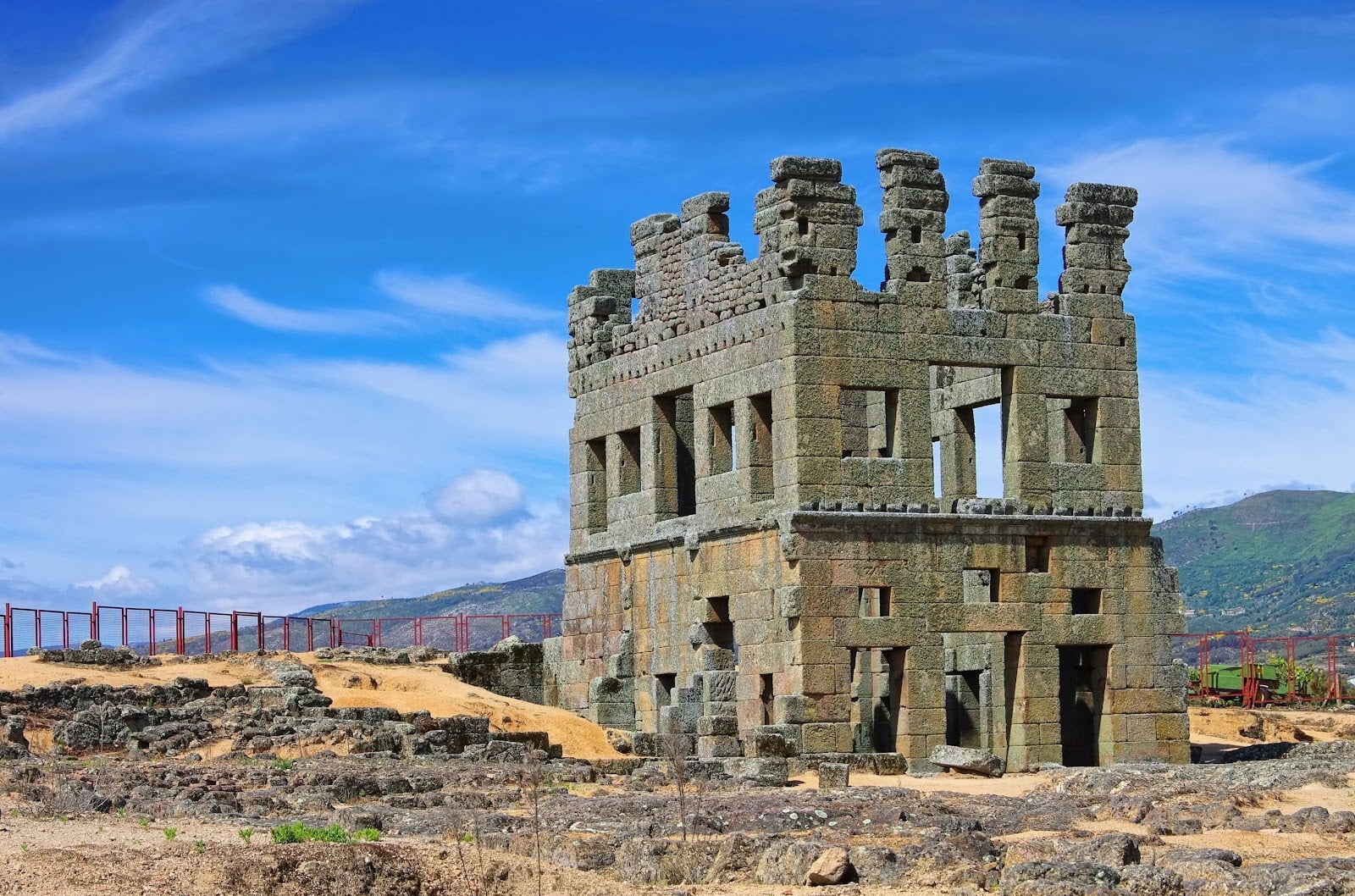
Belmonte is known for a Jewish community that preserved its traditions in secret for centuries. Today the town includes both a 1996 synagogue, Bet Eliahu, and a separate museum that opened in 2005, each with a distinct role.
A Community That Survived in Secret
Belmonte, a small town in the Beira interior region, is known for a Jewish community that maintained Jewish practice in secret for roughly five centuries following the forced conversions of 1497. Isolated geography and close-knit family networks allowed traditions to be passed down quietly across generations.
The community's existence became more widely known outside Portugal in the early twentieth century, when it was documented by outside researchers, drawing attention to a form of Jewish life that had persisted largely hidden from the wider world.
Belmonte's history is distinct from many other Portuguese towns because it represents continuous, if secret, Jewish practice rather than a community that disappeared entirely after the expulsion and later returned through modern resettlement.
Bet Eliahu Synagogue, Established in 1996
In 1996, the Belmonte community opened Bet Eliahu, a synagogue that marked the community's formal and public return to open Jewish practice after centuries in which observance had been carried out privately.
The opening of Bet Eliahu was a significant moment, allowing residents to worship openly for the first time in generations and signaling the community's transition from secrecy to recognized religious life.
Bet Eliahu remains an active synagogue serving Belmonte's Jewish community today, distinct from the museum that documents the community's longer history.
The Jewish Museum, Opened in 2005
Separate from Bet Eliahu, Belmonte's Jewish museum opened in 2005 as a dedicated institution to document the history of the town's Jewish community, including its centuries of secret practice and eventual emergence.
The museum presents objects, documentation, and context related to crypto-Jewish life in Belmonte, offering visitors insight into how religious practice was maintained quietly across generations despite the risks involved.
Because the museum and the synagogue serve different functions, one as an active place of worship and the other as a historical institution, visitors benefit from treating them as two separate stops during a visit to Belmonte.
Daily Life and Tradition in Belmonte
Jewish life in Belmonte historically relied on oral transmission of prayers and customs within families, often adapted over centuries in ways that differed from mainstream Jewish practice elsewhere, since contact with wider Jewish communities had been largely cut off.
With the reestablishment of open practice through Bet Eliahu, the community has worked to reconnect with broader Jewish tradition while also preserving the distinct character shaped by its long period of secrecy.
This combination of ancient roots and modern reconnection makes Belmonte a particularly significant site for understanding the range of ways Jewish identity persisted in Portugal after 1497.
Visiting Belmonte Today
A visit to Belmonte typically includes time at the museum to understand the historical background, followed by viewing Bet Eliahu, which continues to serve the community as an active synagogue.
Because these two institutions address different aspects of the same story, one historical and one ongoing, seeing both together gives a fuller sense of Belmonte's unique place in Portuguese Jewish heritage.
Belmonte's relatively remote location means that many visitors plan it as part of a longer route through interior Portugal rather than as a standalone day trip from a larger city.
Belmonte Within a Larger Heritage Route
Iberian Heritage Journeys includes Belmonte within its private multi-day Jewish heritage travel itineraries across Portugal and Spain, supported by private heritage driver-guides familiar with the town's layout and history.
Given its distance from major cities, Belmonte fits particularly well within the longer itineraries, such as the 10-day complete immersion itinerary or the 12-day Iberian journey, though it can also be included in a 6-day highlights itinerary depending on the route.
As with other destinations, genealogy research and citizenship or legal services are not part of these journeys, which focus on historical travel and context rather than documentation or legal matters.
Visitors planning a trip benefit from understanding this background in advance, since it adds depth to the experience of standing in these historic places and helps connect what is seen on site to the longer arc of Portugal's Jewish history across different regions and centuries.
Visitors planning a trip benefit from understanding this background in advance, since it adds depth to the experience of standing in these historic places and helps connect what is seen on site to the longer arc of Portugal's Jewish history across different regions and centuries.
Plan your Jewish heritage journey
Share your dates, interests and group size and we will suggest a tailored private itinerary with a local driver/guide, including heritage-focused visits. Access arrangements are confirmed before booking.