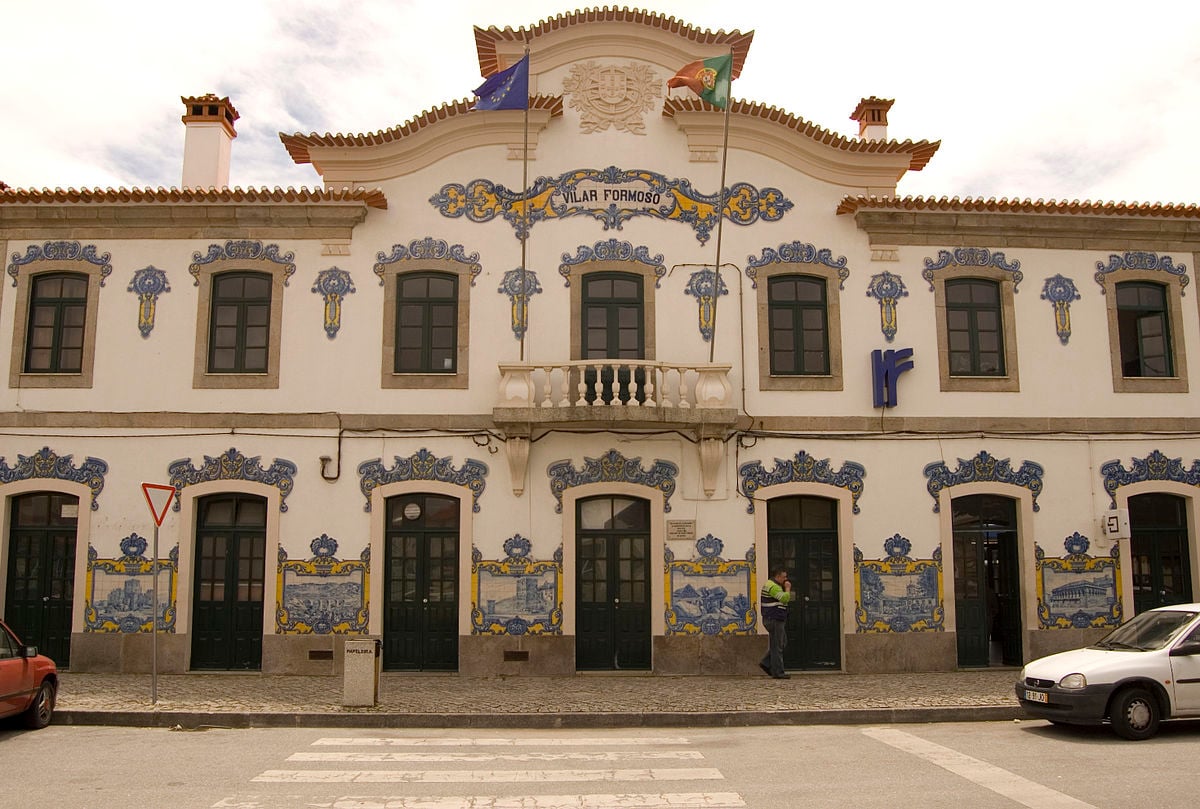
Vilar Formoso, a border town, is home to the Fronteira da Paz museum, opened in 2017, which documents the refugee crossings of 1940 linked to Aristides de Sousa Mendes. This article covers what is documented about this history.
A Border Town's Wartime Significance
Vilar Formoso sits on the Portuguese border with Spain and became a key crossing point in 1940 for refugees fleeing the German advance through France, many of whom sought passage onward through neutral Portugal.
Among these refugees were significant numbers of Jewish families escaping Nazi persecution, making the town an important site in the broader history of wartime refuge in Portugal.
The scale of movement through Vilar Formoso during this period reflected the town's position as one of the main land routes into Portugal from Spain at a moment of intense displacement across Europe.
The Fronteira da Paz Museum, Opened in 2017
In 2017, Vilar Formoso opened the Fronteira da Paz, or Border of Peace, museum, dedicated to documenting the refugee crossings of 1940 and the role the town played during that period.
The museum presents historical material on the refugee experience, including the journeys that brought people to this border crossing and the circumstances they faced upon arrival in Portugal.
As a dedicated institution, the museum provides focused historical context on this specific chapter of wartime history, separate from the religious heritage sites found in towns such as Belmonte or Tomar.
Aristides de Sousa Mendes and the Visa Question
Aristides de Sousa Mendes, the Portuguese consul in Bordeaux, issued visas to large numbers of refugees in 1940, defying instructions from his government in order to allow people, including many Jewish refugees, to reach Portugal.
The exact number of visas Sousa Mendes issued has been estimated differently across various historical accounts, and figures presented without careful sourcing should be treated with caution rather than cited as a precise, settled total.
What is well established is that his actions enabled a substantial number of refugees to cross into Portugal, with many passing through border points including Vilar Formoso, during a period when few other options for escape remained available.
Refugee Experience at the Border
For many refugees, reaching Vilar Formoso represented a critical step toward safety, though Portugal in 1940 was itself navigating a complex position of official neutrality while large numbers of people sought transit through its territory.
The experience at the border varied, with refugees facing uncertainty over documentation, onward travel, and the practical challenges of crossing during a period of widespread upheaval across Europe.
The Fronteira da Paz museum presents this history through documented accounts and historical material, aiming to convey the scale and human dimension of these crossings without overstating specific figures that remain subject to historical debate.
Connecting Vilar Formoso to Broader Portuguese History
Vilar Formoso's history differs from the medieval Jewish heritage sites found elsewhere in Portugal, focusing instead on the twentieth-century history of refuge and wartime transit rather than on earlier periods of Jewish communal life.
Together with sites in Lisbon and Porto that touch on the same period, Vilar Formoso helps complete a fuller picture of how Portugal's wartime neutrality intersected with the experiences of Jewish refugees fleeing Nazi persecution.
Visitors interested in this period often find it valuable to understand Vilar Formoso alongside the broader historical record on Sousa Mendes and the refugee movements of 1940, rather than treating it as an isolated local story.
Including Vilar Formoso in a Heritage Journey
Iberian Heritage Journeys includes Vilar Formoso within its private multi-day Jewish heritage travel itineraries across Portugal and Spain, with private heritage driver-guides providing accurate historical context on the refugee history documented at the Fronteira da Paz museum.
Given its border location, Vilar Formoso fits naturally within the 10-day complete immersion itinerary or the 12-day Iberian journey, which can include stops in both Portugal and Spain.
These itineraries do not provide genealogy research or citizenship and legal services, remaining centered on accurate historical travel and interpretation of documented events.
Visitors planning a trip benefit from understanding this background in advance, since it adds depth to the experience of standing in these historic places and helps connect what is seen on site to the longer arc of Portugal's Jewish history across different regions and centuries.
Visitors planning a trip benefit from understanding this background in advance, since it adds depth to the experience of standing in these historic places and helps connect what is seen on site to the longer arc of Portugal's Jewish history across different regions and centuries.
Plan your Jewish heritage journey
Share your dates, interests and group size and we will suggest a tailored private itinerary with a local driver/guide, including heritage-focused visits. Access arrangements are confirmed before booking.