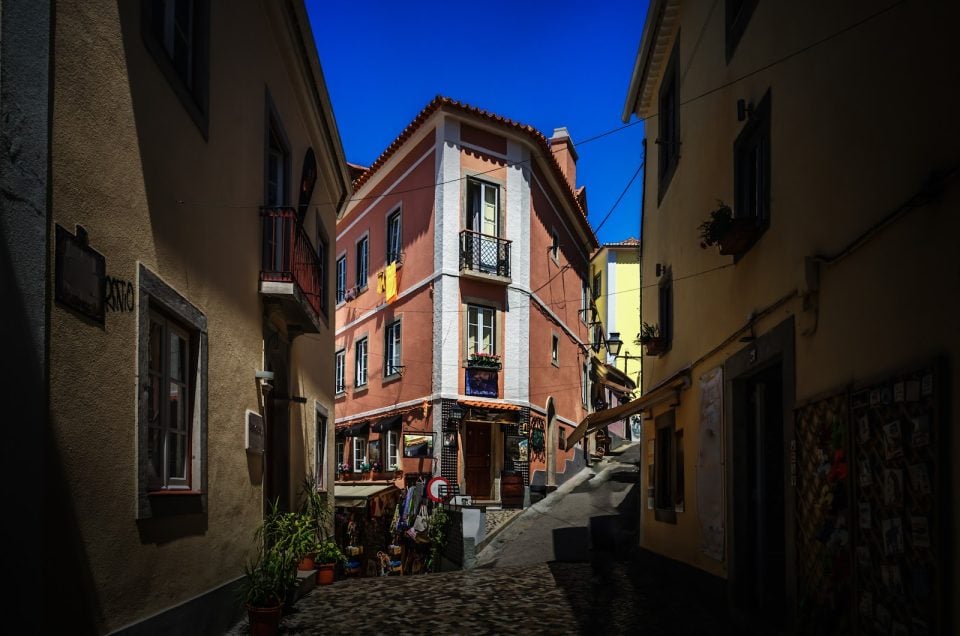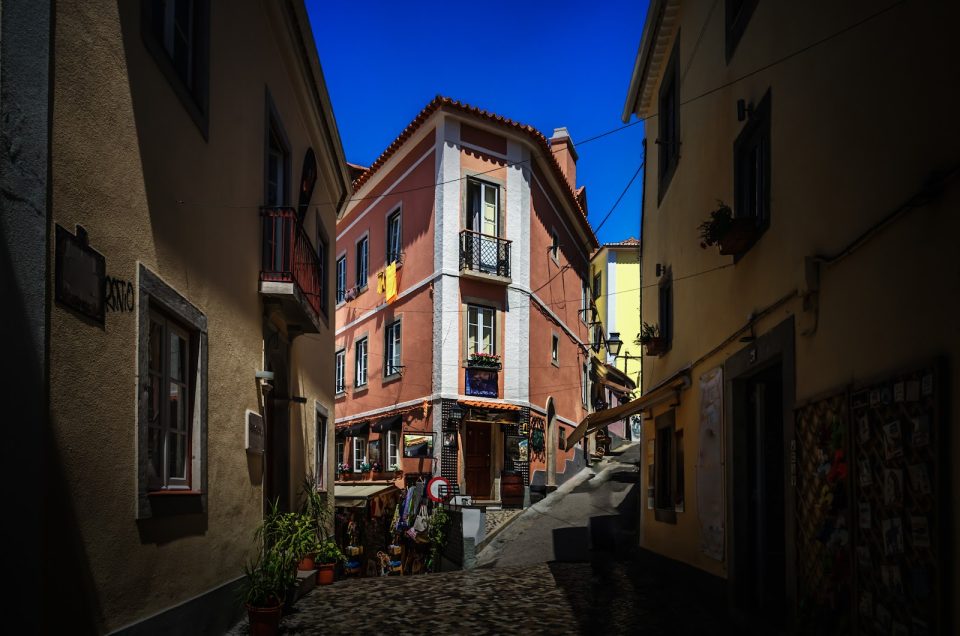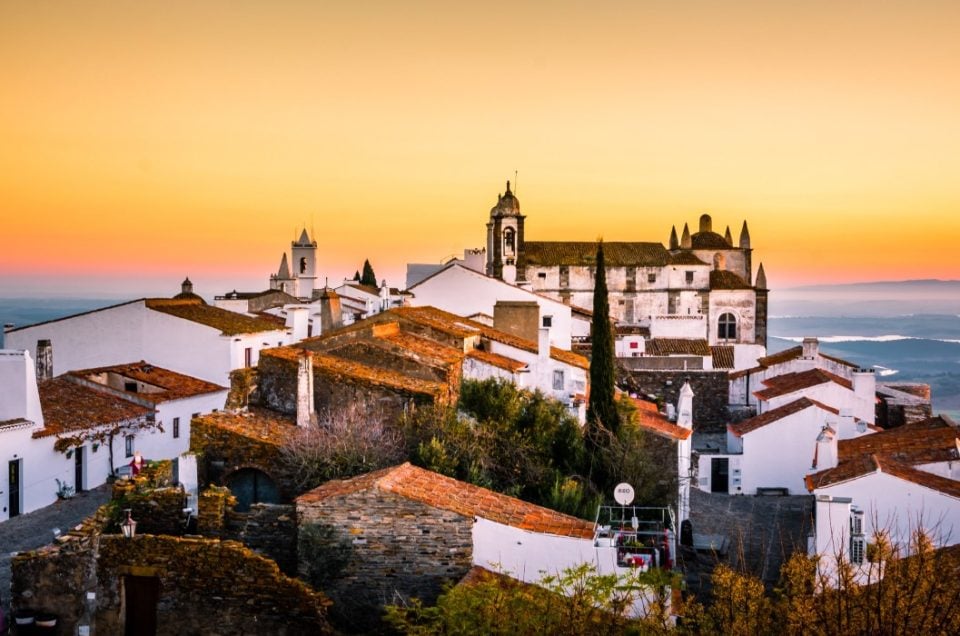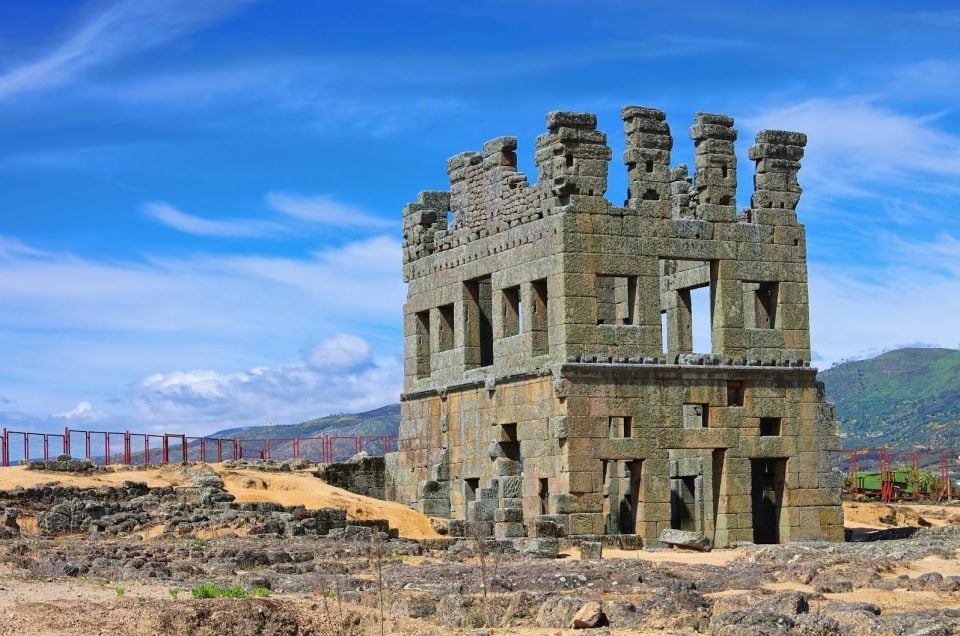
Follow a week of fortified hilltops, monastic stories, and village tables through central Portugal, with a particularly memorable day in Tomar. This tailored itinerary leaves room for the details that make old stones come alive.
Day 1: Arrival in Lisbon, Then Through the Gates of Óbidos
Arrive in Lisbon and travel north to Óbidos, where passing through the tiled Porta da Vila feels like an unusually satisfying way to begin a week devoted to medieval Portugal, especially when the first afternoon remains deliberately unhurried. Often associated with King Dinis’s marriage gift to Queen Isabel in 1282, the town has a longer history of royal patronage, best appreciated while wandering its whitewashed lanes toward the castle rather than treating every doorway as a photograph. Pause for ginjinha, the local sour cherry liqueur, and a simple meal before deciding whether your energy suits more exploring or an early evening. With Portugal Magik, a private driver/guide handles the driving in a Mercedes-Benz vehicle and shapes the pacing around your arrival and interests; overnight in Óbidos.
Day 2: Alcobaça and Batalha, Where Royal Stories Become Stone
Leave Óbidos for Alcobaça Monastery, founded in the twelfth century, whose austere Cistercian church holds the elaborate fourteenth-century tombs of Pedro I and Inês de Castro, lovers whose story became inseparable from Portugal’s royal imagination. Inês was murdered in 1355 on the orders of Pedro’s father, Afonso IV, and the contrast between the church’s restraint and the tombs’ intricate carving gives the visit its emotional force without needing to embellish the history. Continue to Batalha Monastery, commissioned by João I after the Portuguese victory at Aljubarrota in 1385, and allow time for the Founder’s Chapel and the open sky above the Unfinished Chapels. Between visits, choose a lunch of roast meat followed by an egg-rich convent-style sweet, then continue inland for your overnight in Tomar.
Day 3: Tomar, a Day of Templars, Carved Ropes, and River Light
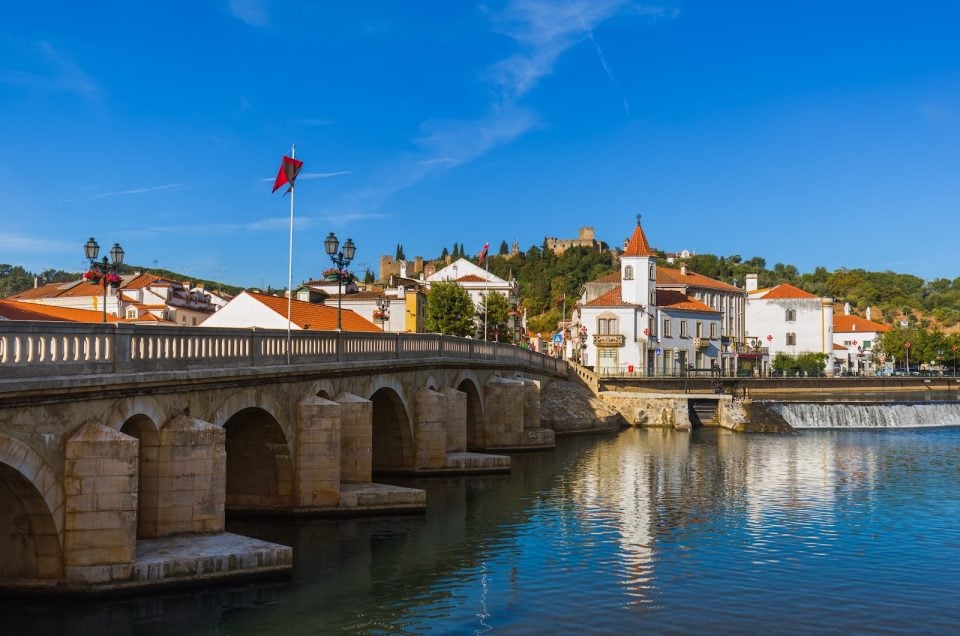
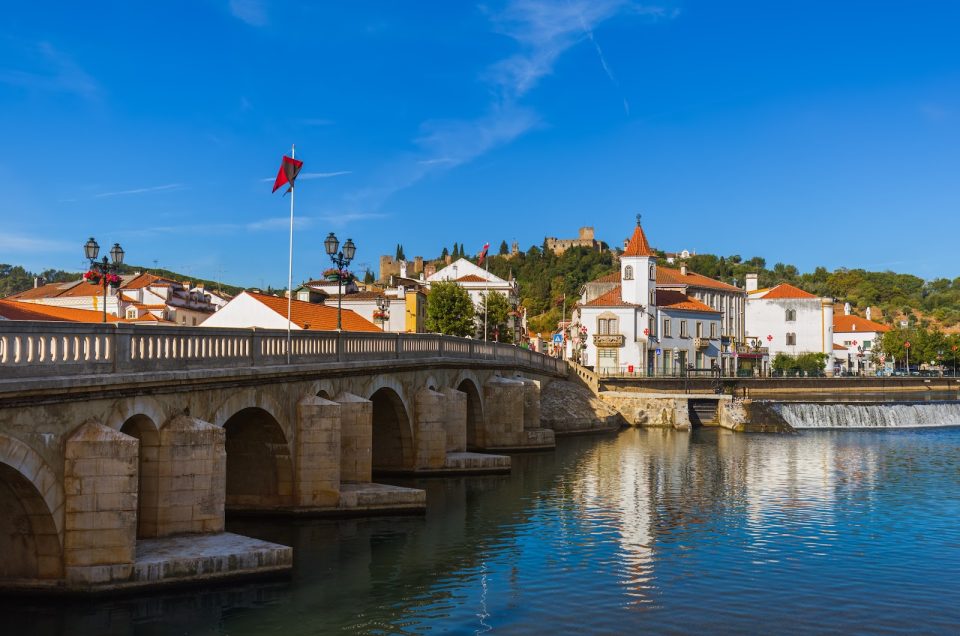
Make this the week’s centerpiece: climb to Tomar’s castle and Convent of Christ, established as a Templar stronghold in 1160 under Gualdim Pais, and begin with the Charola, the extraordinary polygonal church at the heart of the complex. Its painted interior rewards a slow circuit, while the later Manueline chapter-house window shifts the story toward maritime Portugal through carved ropes, vegetal forms, and symbols of royal authority, details worth studying before reaching for the camera. Over lunch, try fatias de Tomar, the city’s distinctive egg-yolk sweet soaked in syrup, and let the morning’s monumental history settle into something more domestic. Then visit the fifteenth-century former synagogue, if open, for a different chapter of the town’s past before an unhurried walk beside the river; overnight again in Tomar.
Browse our travel inspiration for ideas, or tell us what kind of day you have in mind.
Day 4: Pombal Castle and Coimbra’s Medieval Streets
Travel north to Pombal Castle, another fortress associated with Gualdim Pais and the Templars, where the surviving walls make the defensive logic of a hilltop settlement immediately legible: open views mattered as much as thick stone. Continue to Coimbra and explore the lanes around the Sé Velha, the city’s fortress-like Romanesque cathedral, whose solid exterior offers a striking contrast to the carved exuberance you encountered yesterday in Tomar. This is a good afternoon to follow the city’s contours rather than a checklist, accepting that its steep streets are part of the experience and stopping whenever a shaded table looks more appealing than another climb. At dinner, look for chanfana, goat slowly cooked with red wine and a specialty of the wider region; overnight in Coimbra.
Day 5: Montemor-o-Velho, Watching Over the Mondego
Make a measured excursion from Coimbra to Montemor-o-Velho, whose sprawling castle enclosure overlooks the Mondego valley and recalls a time when control of this river corridor shaped the struggle between Christian and Muslim powers. Inside the walls, seek out the Church of Santa Maria da Alcáçova, then take time simply to look across the agricultural plain, where the breadth of the landscape explains the fortress better than a hurried sequence of dates could. Lunch is the moment for arroz de lampreia if it is in season and suits your appetite, or a less adventurous rice dish reflecting the valley’s long association with rice growing. Return to Coimbra for an easy afternoon around the riverside Parque Verde do Mondego, keeping the evening free for another local table; overnight in Coimbra.
Day 6: Belmonte and Sortelha, Granite Villages of the Interior
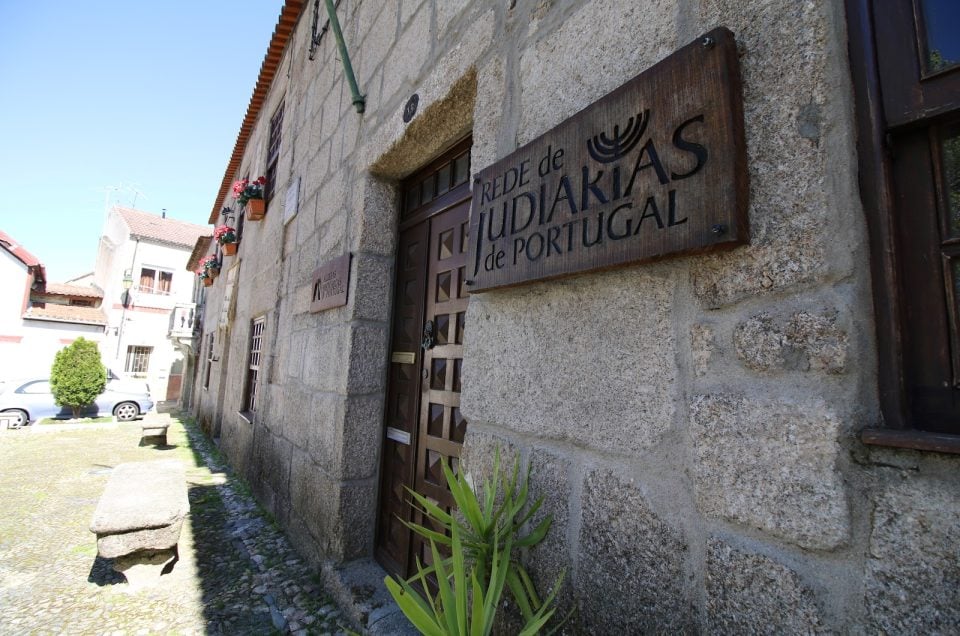
Head east to Belmonte, where the castle connects the itinerary with the family of Pedro Álvares Cabral, the navigator whose fleet reached Brazil in 1500, and the surrounding streets introduce the granite textures of Portugal’s interior. Give the town’s Jewish Museum proper attention too: Belmonte is known for a community that preserved Jewish practices, often secretly, over centuries, a living history that deserves more than a passing reference between castle photographs. Continue to Sortelha, whose walls and rocky outcrops seem to belong to the same material world, and explore the small fortified settlement slowly, with sturdy shoes for uneven paving and exposed steps. Pause over bread and Queijo Serra da Estrela, the region’s celebrated sheep’s milk cheese, before returning for your overnight in Belmonte.
Day 7: Castelo Novo and Monsanto, A Final Day Among the Boulders
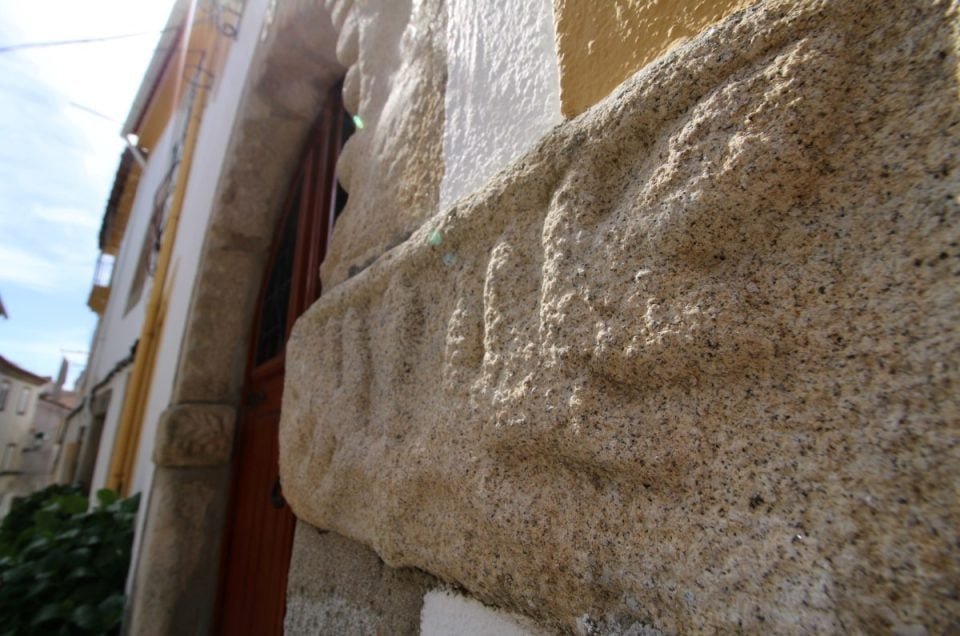
Begin in Castelo Novo, tucked against the Gardunha mountains, where castle remains, granite houses, and small squares invite the kind of wandering that becomes more rewarding once you have stopped expecting every settlement to tell the same story. Continue to Monsanto, famous for houses fitted between enormous boulders, and climb toward the ruined castle only if the weather and your footing make the exposed ascent appealing; the village below is already a remarkable finale. A local driver/guide can shape this last day around the guests, allowing a longer village lunch or more walking rather than insisting on a fixed rhythm, with a Beira Interior wine providing an appropriate regional farewell. Finish in Castelo Branco for your overnight, carrying away not seven interchangeable castle visits but distinct memories of painted chapels, river plains, and granite underfoot.
Plan your own day
Share your dates, group size and interests, and we will suggest a tailored plan with a local driver/guide.